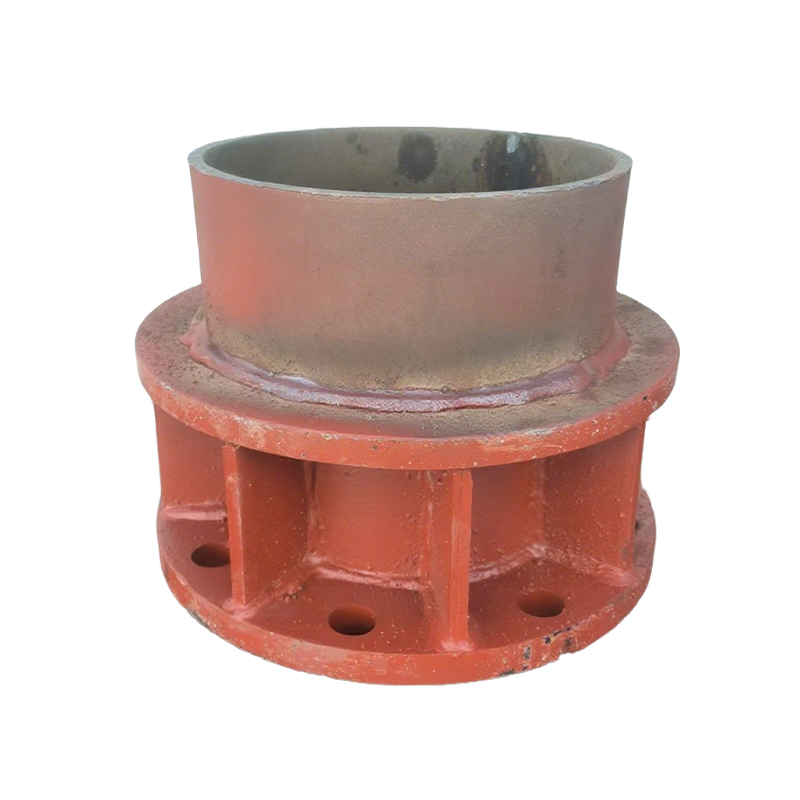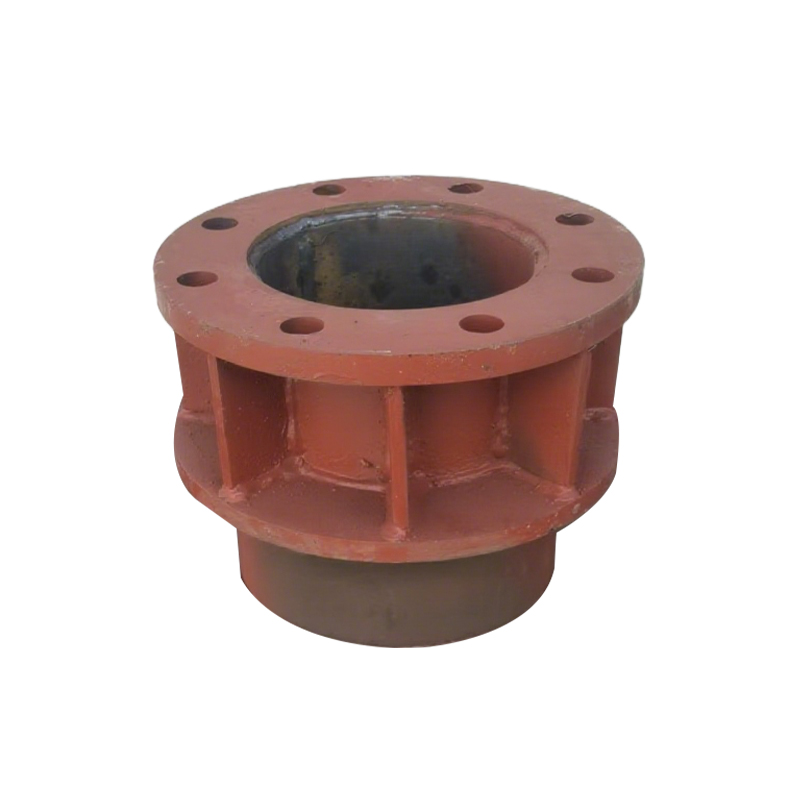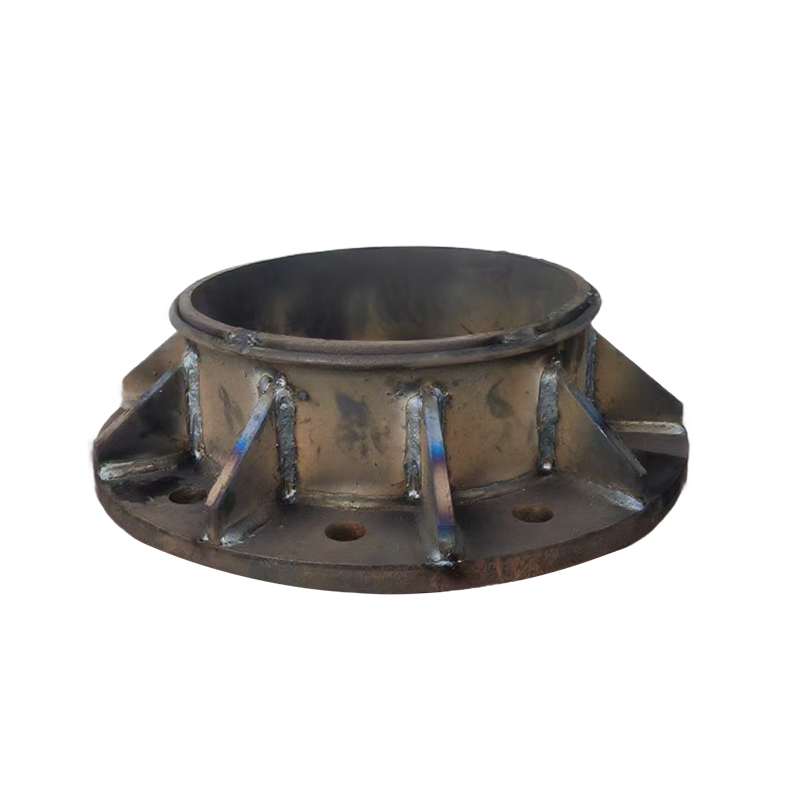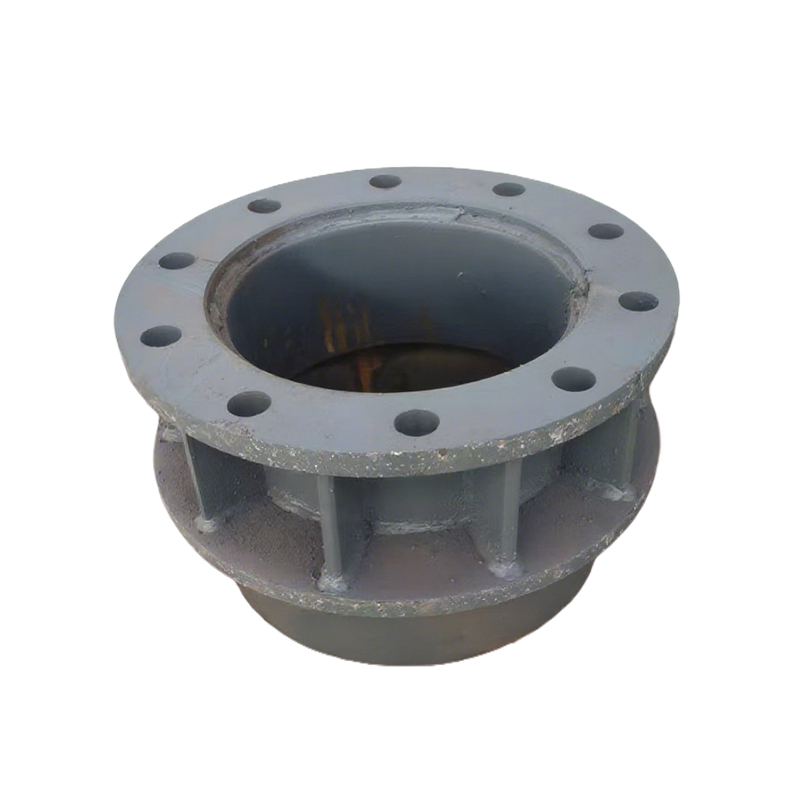
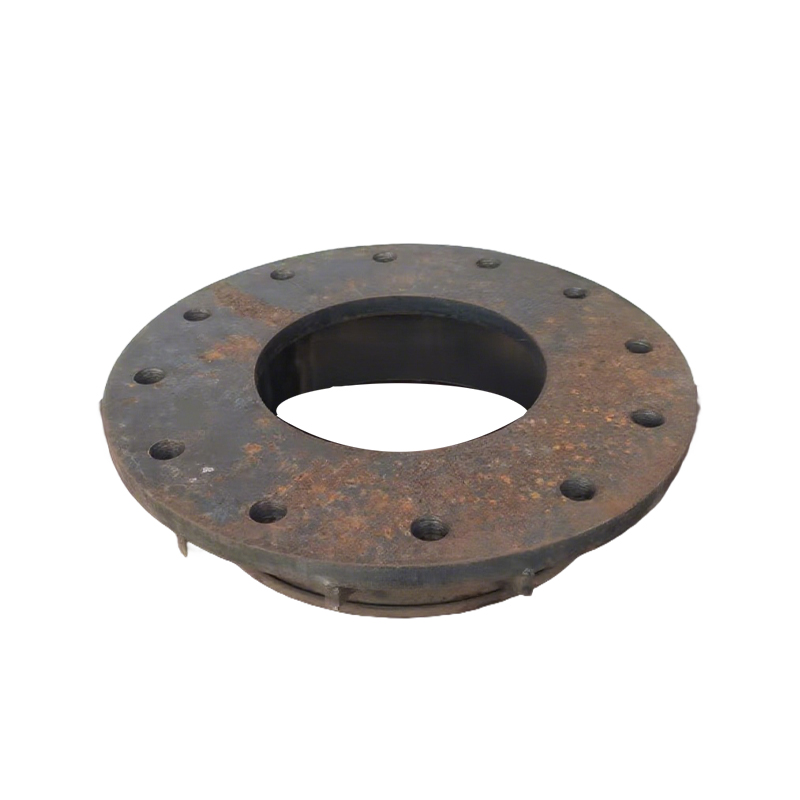
External flange connectors are widely used in engineering fields with high reliability requirements, primarily to achieve high-strength, high-precision connections between structural components.
In vast and sophisticated industrial systems, pipelines act like blood vessels, carrying the flow of fluids, gases, and energy; and flanges are the most critical joints between these "blood vessels."
In industries such as petrochemicals, power generation, water treatment, pharmaceuticals, and HVAC, the sealing, strength, and maintainability of piping systems directly affect production safety and operational efficiency.
In critical systems such as industrial fluid transport, energy transmission, and chemical production, the reliability of pipeline connections directly affects operational safety, media purity, and even the lifespan of the entire system.
The stiffness coefficient of the external flange, as a crucial parameter measuring its resistance to deformation, has a decisive influence on the vibration response of the entire connection system.
Through its rigid structure, uniform load distribution, and precise fit, the external flange significantly enhances the connection system's resistance to tension, bending, and vibration, becoming a crucial support for the stable operation of industrial fl